LINK BAND Blog
Making EEG, neuroscience, and meditation research accessible
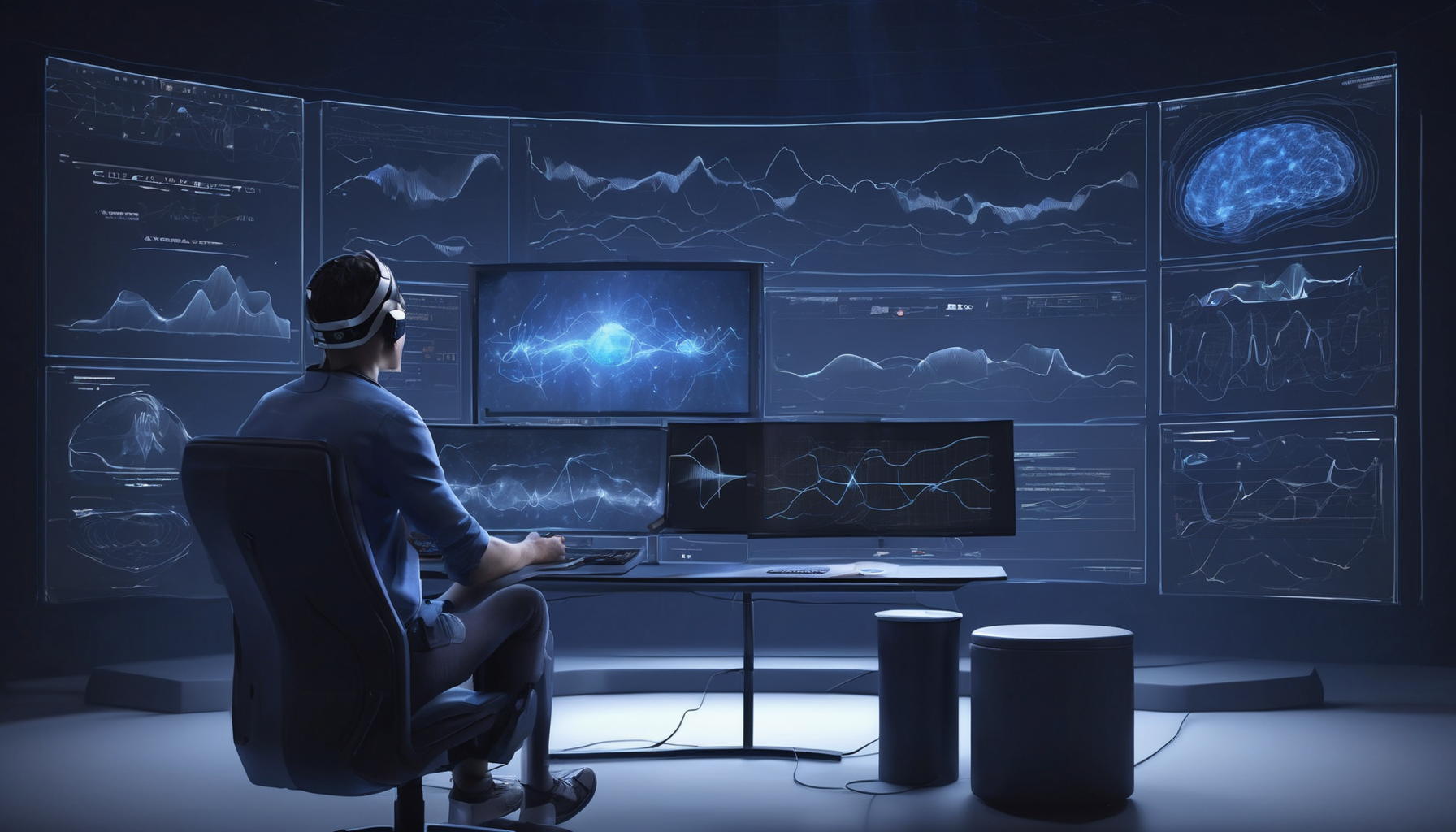
Train Your Brain Like a Muscle: What a 534-Citation Neuroscience Review Reveals About EEG Neurofeedback
The moment you open your eyes in the morning, smartphone notifications pour in. Work emails, KakaoTalk, Instagram alerts, news headlines… Your brain is bombarded with information as soon as you wake up. You sip your coffee and get ready for work, but your mind is already full of tangled thoughts. “I need to nail that presentation at today’s meeting…,” “I can’t focus—probably because I worked late last night.” Have you ever had this experience? Every day, we make countless decisions, process information, and regulate emotions. But how often do we actually check whether our brain is in optimal condition? What if we could train our brain, just as athletes train their muscles? To find answers to this question, neuroscientists around the world have been researching for decades. And one powerful tool that has emerged is EEG neurofeedback. Today, I want to introduce you to an influential review paper published in *Neuroscience and Biobehavioral Reviews*, cited 534 times. This paper goes beyond simply explaining brainwaves—it uses meta-analysis to examine specific protocols that can actually improve cognitive abilities and emotional states in healthy individuals. Let’s explore the scientific method that can upgrade your daily performance.
L-FAME: Longitudinal Focused Attention Meditation EEG Dataset and Benchmark
The world's largest meditation EEG dataset, collected from 103 participants across more than 70 meditation sessions, has been released. We explore how brainwaves change during meditation, what the increase in alpha and theta waves signifies, and how LINK BAND connects to this groundbreaking research.
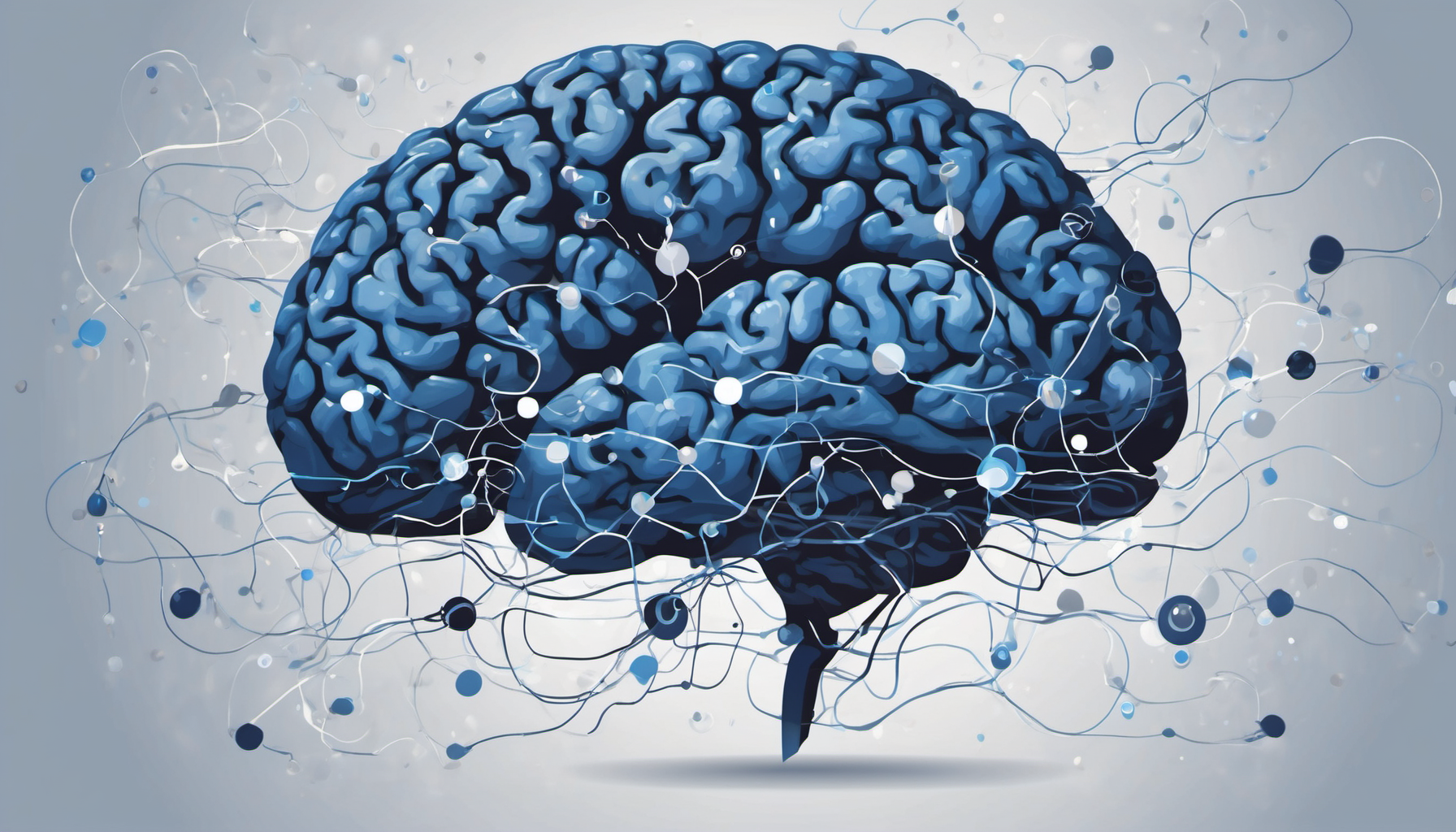
Symbol Emergence in Cognitive Developmental Systems: a Survey
In the face of a daily deluge of information, how do we efficiently comprehend and learn about the world? This article introduces a cutting-edge study that explores how our brains and advanced AI systems construct 'meaningful symbols' from complex sensory data, mirroring a child's journey of discovery. Delve into the astonishing mechanisms your brain employs to process information and discover how LINK BAND can contribute to understanding and optimizing your cognitive capabilities.
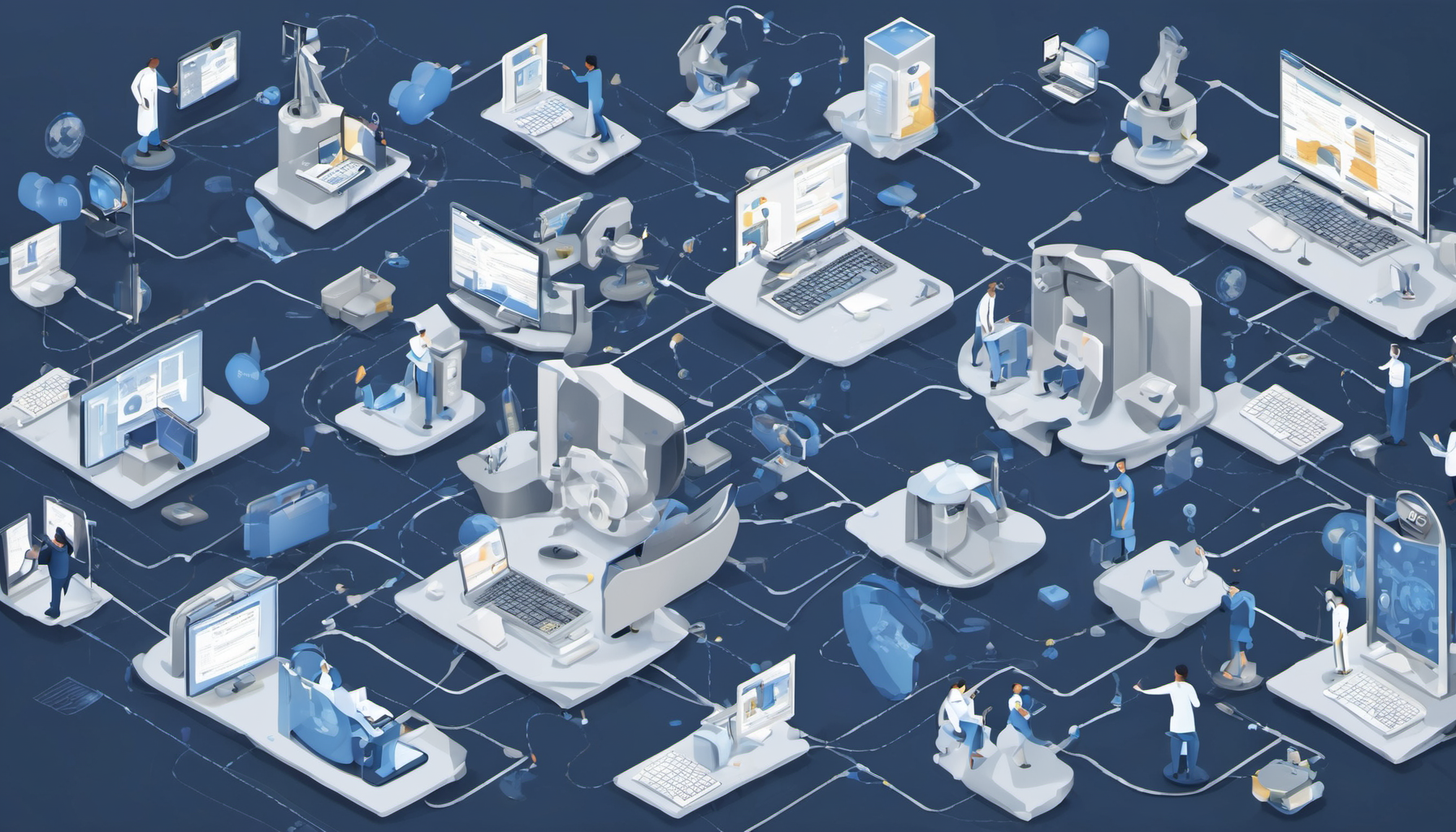
FADL:Federated-Autonomous Deep Learning for Distributed Electronic Health Record
How secure is your health data? Imagine sensitive information like sleep patterns, heart rate, and brainwaves being collected on a central server for AI analysis. The research we're highlighting today introduces an innovative technology called 'Federated Autonomous Deep Learning (FADL).' This approach allows AI to be trained directly on your own device, sharing only the learned knowledge, thus eliminating concerns about personal data breaches. FADL paves the way for future wearable devices to offer highly personalized health management while rigorously protecting individual privacy.
Can We Read the Brain While Moving? — The WearBCI Challenge
EEG measurement typically begins with 'sitting still with eyes closed.' However, reality is a constant stream of movement. The WearBCI dataset has emerged, capturing EEG signals from 30 participants while they walked, climbed stairs, and even brushed their teeth. This research, accepted at ACM SenSys 2026, thoroughly dissects the biggest hurdles wearable BCIs face outside the laboratory.
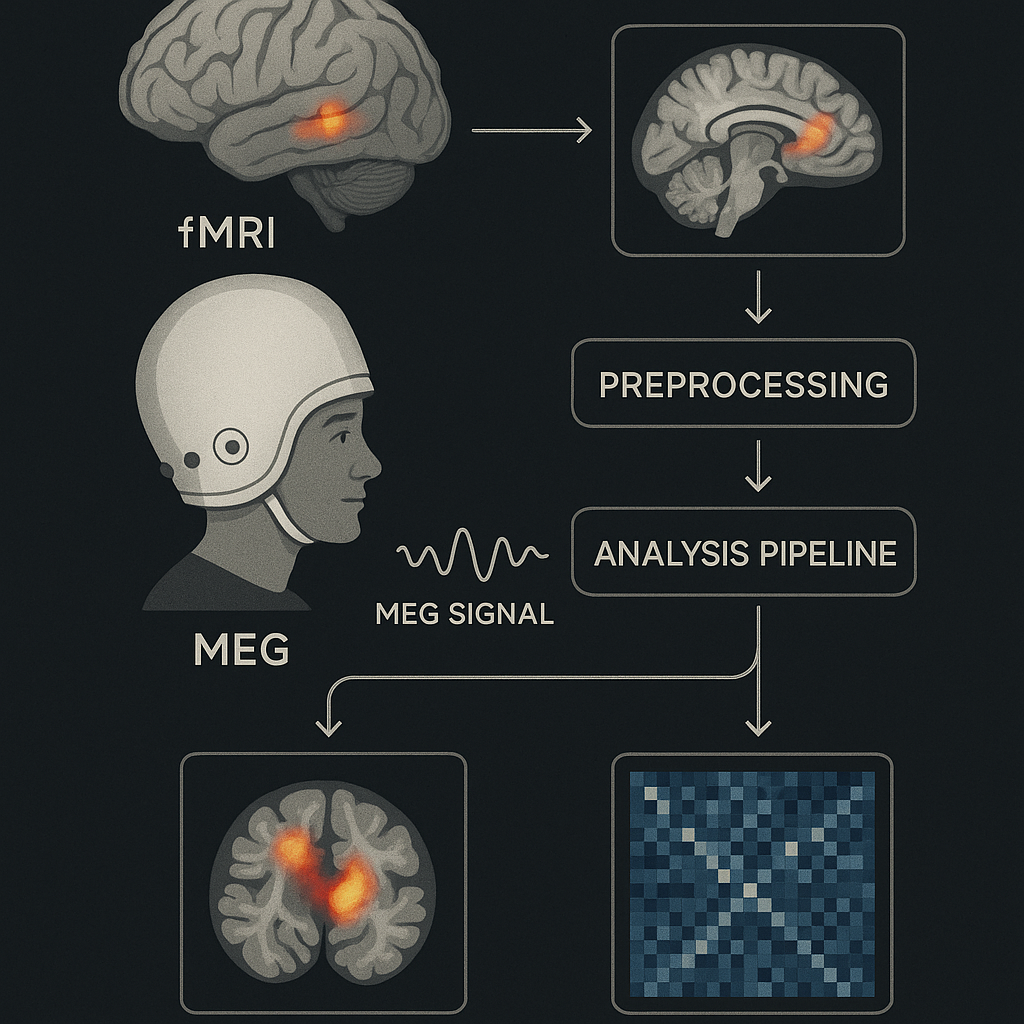
Misalignment Between Backpropagation and the Hierarchy of Brain Responses to Images
A study has revealed how the brain and artificial intelligence process images differently. While the brain processes visual information dynamically across time and space, AI's learning algorithms are unable to replicate this. This difference highlights a fundamental distinction between our brains and AI.

EvoBrain: One Brain-Decoding AI That Learns Without Forgetting
EvoBrain is a continual learning technology that enables EEG foundation models to learn new brain-computer interface tasks without forgetting existing ones, outperforming state-of-the-art methods across six distinct tasks.
Teaching AI to Read Movement Thoughts From EEG Using Video
EVA-Net deciphers highly individualized motor imagery brainwaves without the need for calibration. It achieves this by utilizing action videos as semantic reference points, a novel approach compared to traditional word-based methods. This innovation led to a significant performance improvement, demonstrating an impressive 8.66 percentage point increase in Leave-One-Subject-Out (LOSO) accuracy on the EEGMMI dataset, outperforming text-based decoding methods.
EEG-FuseFormer: Teaching AI to See a Seizure Coming
This research integrates features extracted by two distinct neural networks from EEG signals using a Transformer model, aiming to predict the onset of seizures. The study achieved an impressive average recall rate of 98.85% on the CHB-MIT dataset.
A Tiny Heart Watcher: On-Device Arrhythmia Detection with TinyML
This blog post dives into a fascinating study where an ultra-compact AI, a mere 180KB in size, accurately detects ECG arrhythmias in just 9 milliseconds directly on an ESP32-S3 chip—without any cloud dependency. This research highlights the significant potential of on-device wearable heart monitoring, emphasizing its low-power consumption and strong privacy safeguards. Join us as we unpack this innovative work in an easy-to-understand and engaging way.
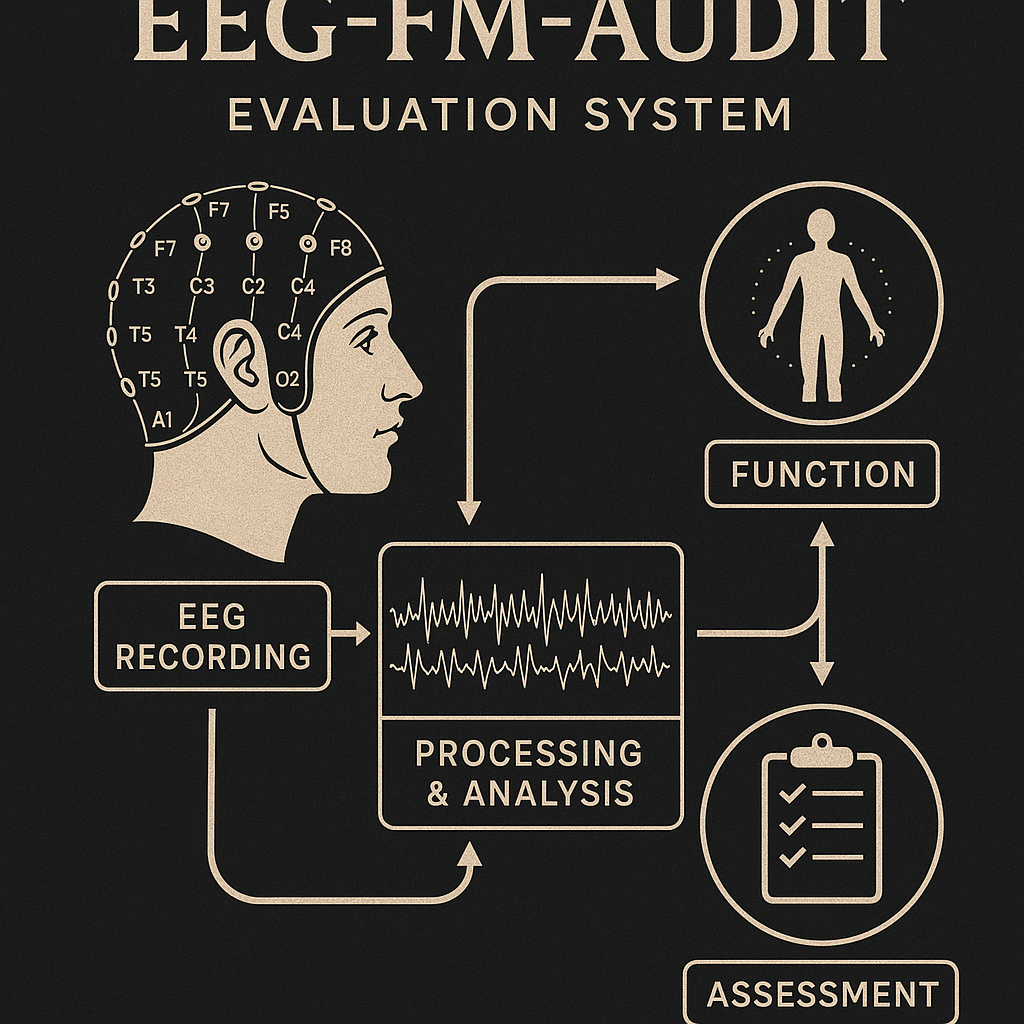
EEG-FM-Audit: A Systematic Evaluation and Analysis Pipeline for EEG Foundation Models
The innovative evaluation system, EEG-FM-Audit, enables fair assessment of EEG models. This paper presents methods to transparently optimize EEG model performance and analyze learning paradigms for effective utilization of EEG data. The study demonstrates that appropriately tuned foundation models can outperform state-of-the-art models.
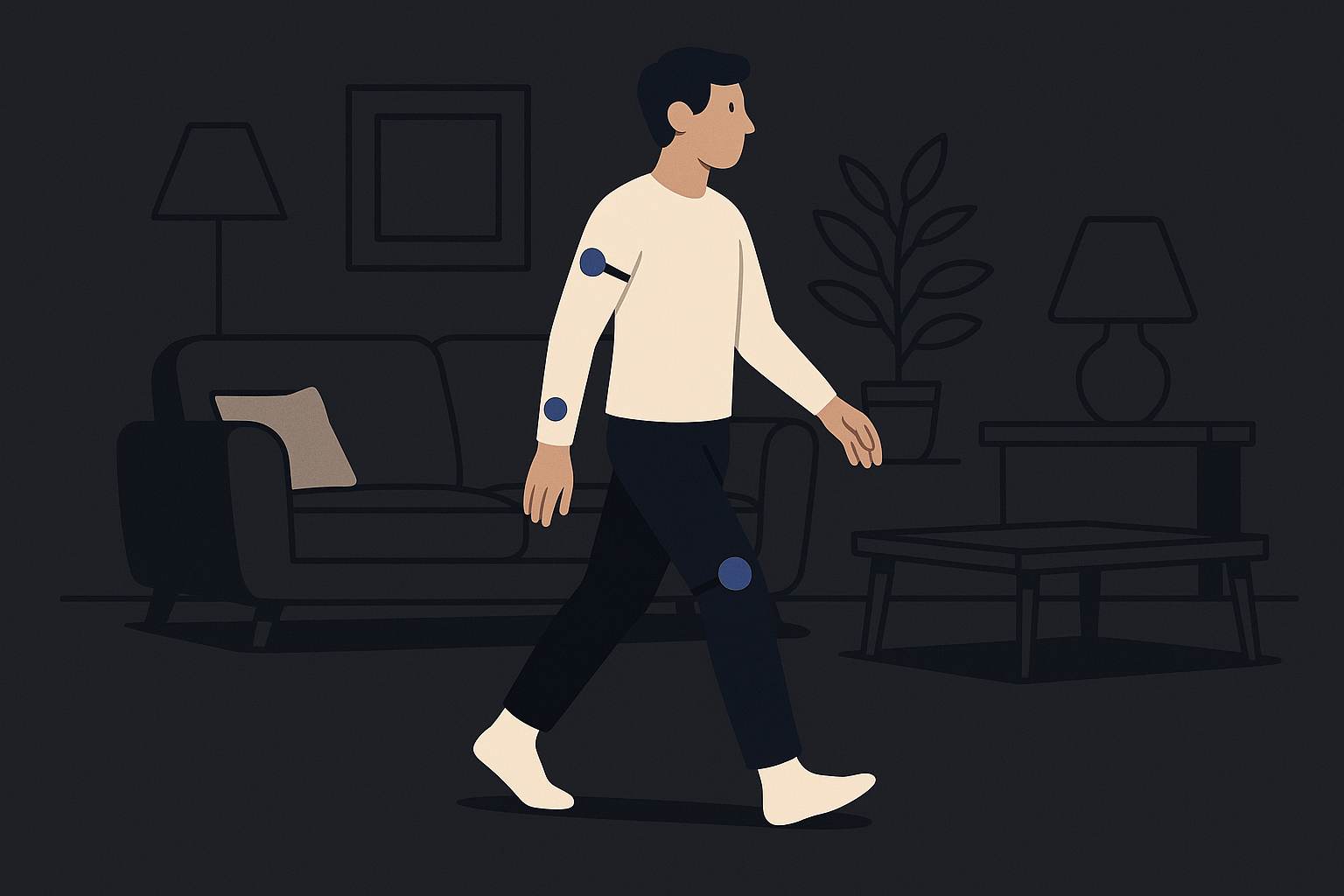
Tracking Full-Body Motion Without a Camera, Using Tiny Sensors
This article unveils a novel diffusion model that reconstructs full-body motion without the need for cameras. It achieves this remarkable feat by exclusively utilizing a few small inertial sensors strategically placed on the body, combined with precise measurements of the distances between these sensors. By expertly extracting geometric cues embedded within these distance relationships, the model significantly outperforms traditional methods, reducing joint position errors by up to 22%.
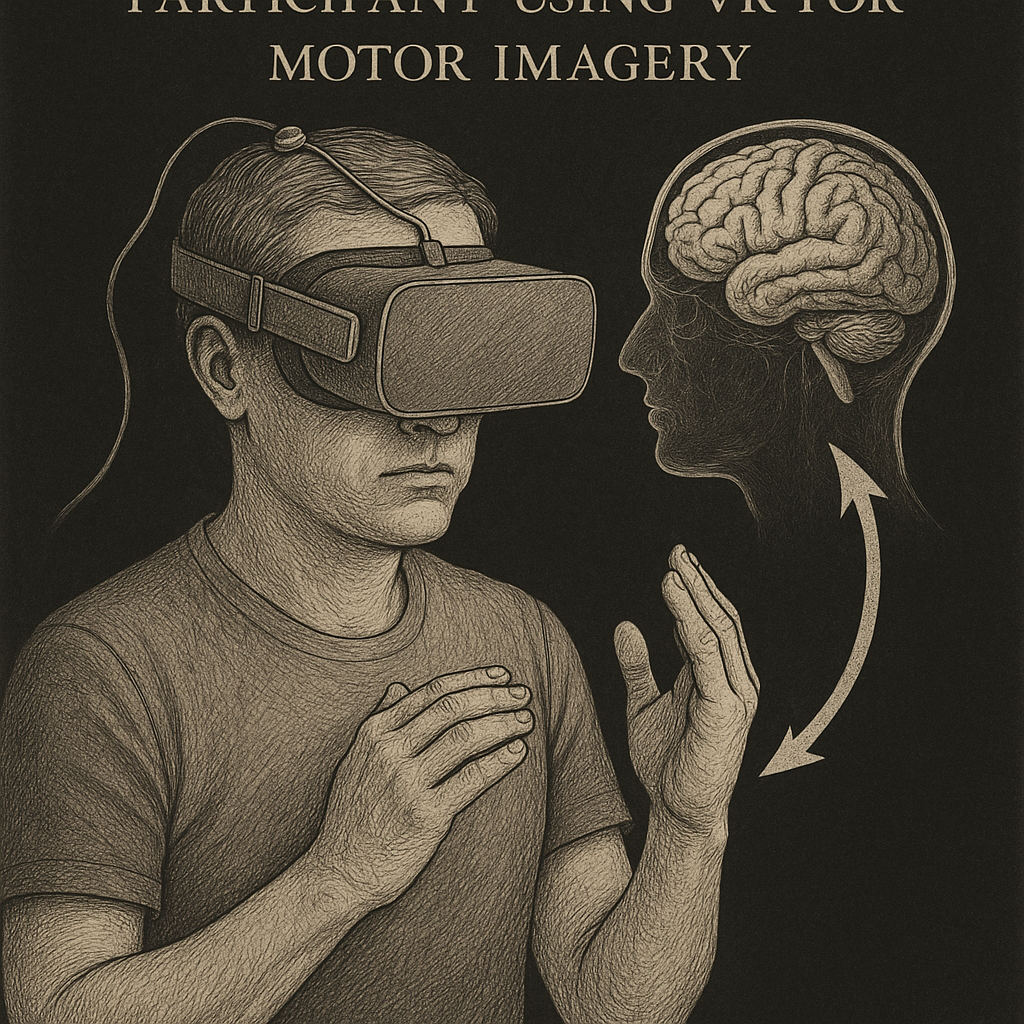
Embodied Virtual Reality Feedback Reshapes Neural Representations to Support Continuous Three-Dimensional Motor Imagery Decoding
Research shows that virtual reality (VR) can alter our brainwaves, enhancing 3D motor imagery abilities. This study explores how VR strengthens neural connections in the brain, thereby allowing us to better understand our motor skills.
Experience LINK BAND 2.0
Measure your brainwaves in real-time with integrated EEG, PPG, and ACC sensors.
View Product →