FADL:Federated-Autonomous Deep Learning for Distributed Electronic Health Record
How secure is your health data? Imagine sensitive information like sleep patterns, heart rate, and brainwaves being collected on a central server for AI analysis. The research we're highlighting today introduces an innovative technology called 'Federated Autonomous Deep Learning (FADL).' This approach allows AI to be trained directly on your own device, sharing only the learned knowledge, thus eliminating concerns about personal data breaches. FADL paves the way for future wearable devices to offer highly personalized health management while rigorously protecting individual privacy.
Smartly Managing Your Health Data as Your Private Secret: The Revolution of Decentralized AI Learning
Is My Health Data Really Safe?
As you wind down after a busy day and head to bed, or as you open a meditation app to focus, your smartwatch or healthcare device constantly records sensitive health data like your heart rate, sleep patterns, activity levels, and even brainwaves. This data plays a crucial role in understanding your unique health status and receiving personalized advice for a better life. But have you ever had a sudden thought: ‘Is my health data truly being managed safely?’, ‘Is there a possibility this information could inadvertently leak or be misused elsewhere?’ In the digital world we face every day, personal data breaches are no longer just someone else's problem. Especially since health data is more sensitive and valuable than any other type of information, this question becomes even more critical.
Amidst these concerns, today the LINK BAND blog aims to introduce the latest research that allows for better health management by leveraging the incredible power of Artificial Intelligence (AI), all while keeping your health data secure. We're talking about an innovative technology called 'Federated-Autonomous Deep Learning (FADL)'. This technology presents a new way for AI to learn and grow intelligently without sending your valuable health information to a central server. It's like everyone developing their secret recipes at home, but only sharing the delicious techniques so that everyone becomes a better chef.
Why This Research Is Special
Traditional AI models predominantly relied on collecting and learning from large volumes of data in a single location. While this approach could create powerful AI, it was challenging to apply to privacy-sensitive data, such as medical records from hospitals or individuals. Beyond the risk of data breaches, differing personal data protection regulations across various countries and institutions often made it impossible to gather data in one place.
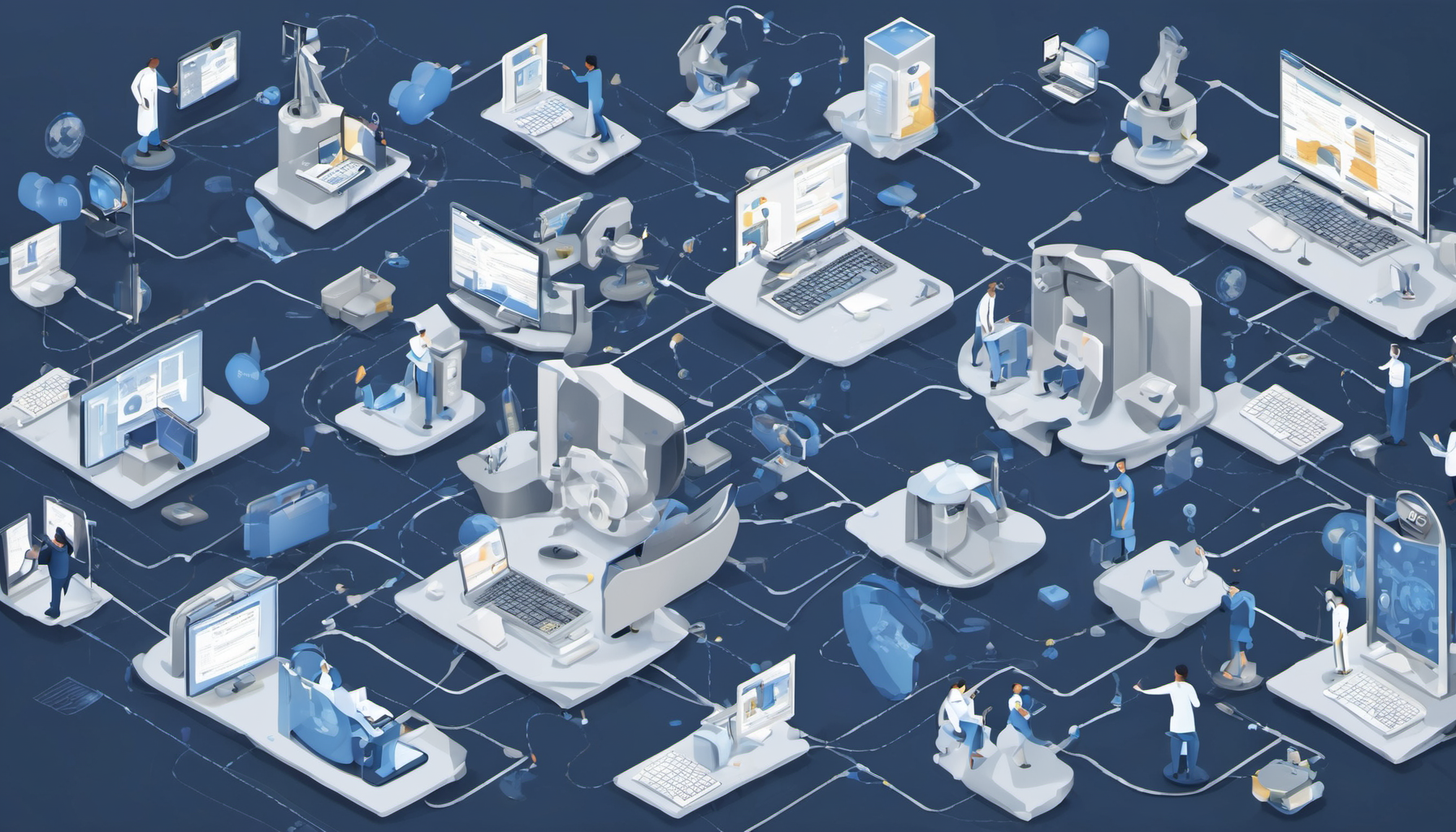
To overcome these limitations, the concept of 'Federated Learning (FL)' emerged. Federated Learning is an approach where each data source (e.g., hospitals, smart devices) trains an AI model locally without exposing its data externally, and then sends only the learned 'model updates (weights)' to a central server for aggregation. In other words, the data itself never moves; only the 'knowledge' gained through learning is shared. The research we are introducing today proposes 'Federated-Autonomous Deep Learning (FADL)', which takes Federated Learning a step further. FADL minimizes the intervention of a central server, allowing each participating entity to learn and collaborate more autonomously, thereby maximizing privacy protection and efficiency. This is akin to several chefs each developing their secret techniques in their own kitchens, then sharing those techniques with each other, but never sharing the original ingredients of their recipes. As a result, everyone becomes a more skilled chef.
How Was the Research Conducted?
This research explored the potential of FADL using sensitive Electronic Health Record (EHR) data. EHR encompasses a patient's medical history, prescription details, test results, and other personal health information, making privacy protection paramount. The research team utilized a vast amount of EHR data collected from actual hospitals to verify whether FADL could achieve performance comparable to centralized learning.
Validation with Real Hospital Data
The research team utilized hypothetical EHR data distributed across multiple hospitals. Each hospital holds numerous patient medical records, and this data can never be leaked outside the hospital. Researchers experimented to see how effectively FADL could train disease prediction models in this restricted environment.
Embracing 'Autonomy'
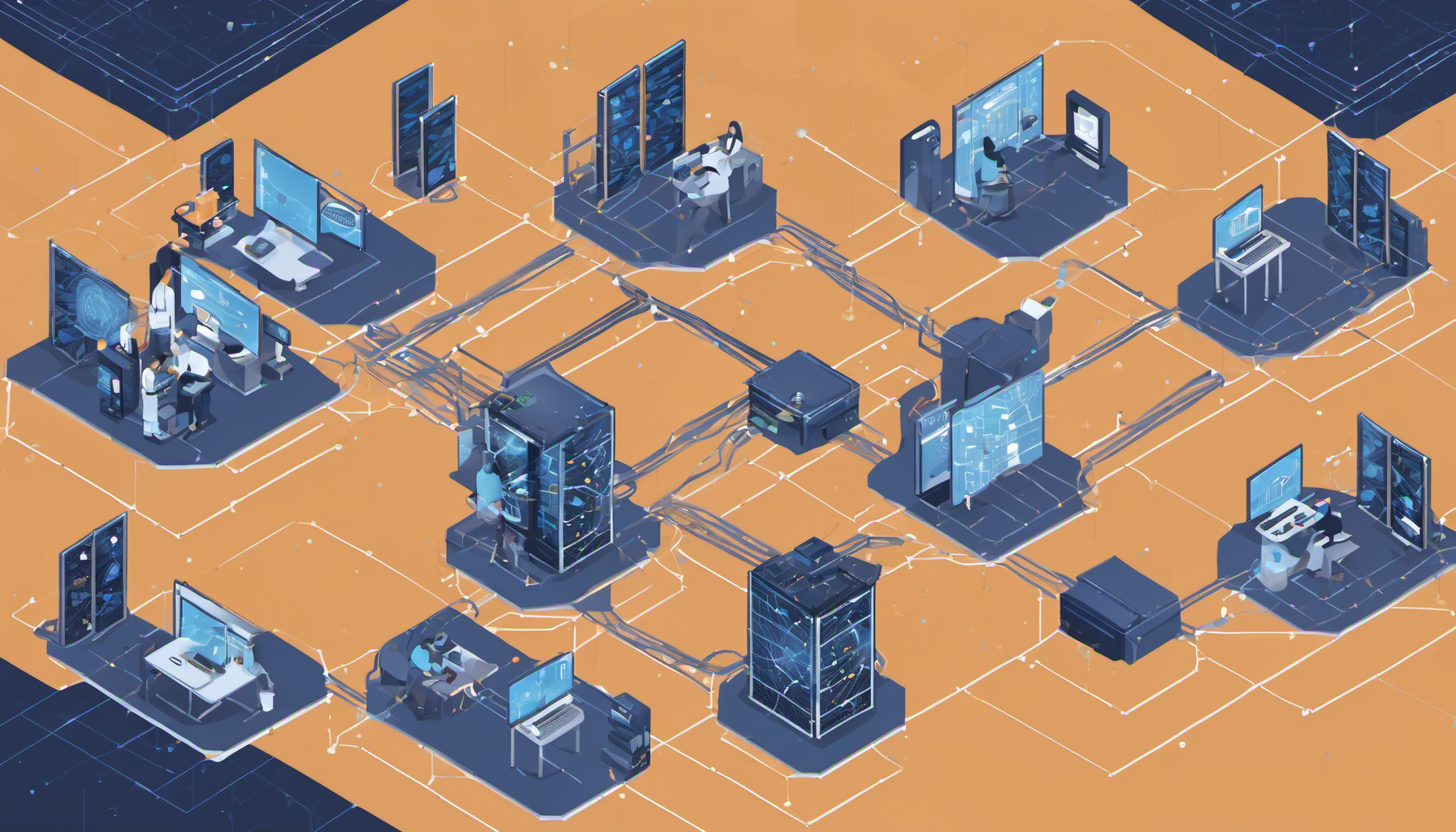
Traditional federated learning involved a central server requesting model updates from each participant and then aggregating them. However, FADL has made this process much more 'autonomous'. Each participating hospital (or device) conducts its own learning and, when needed, exchanges 'knowledge (model weights)' with other participants to progressively improve the overall model. This is similar to multiple researchers independently conducting studies in their respective labs, yet regularly sharing their knowledge through academic exchanges to foster the advancement of their entire field. This autonomy significantly reduces dependence on a central server, greatly enhancing system flexibility and scalability.
Key Discovery: Catching Two Birds with One Stone – Privacy and Performance
The most significant discovery of this research is that FADL achieved predictive performance nearly equivalent to, and sometimes even superior to, centrally trained models, all while perfectly maintaining personal data privacy. Specifically, in various disease prediction tasks such as heart failure onset prediction and diabetes onset prediction, FADL models showed almost no performance degradation compared to centralized models. In fact, in certain situations, by incorporating the diversity of distributed data into the learning process, it demonstrated even more robust predictive power.
For instance, when the research team created a heart failure onset prediction model using the FADL method, the results showed over 98% similar performance in terms of accuracy compared to a model trained by collecting all data on a central server. This is strong evidence that high-performance AI can be created without the risk of data breaches. Furthermore, FADL demonstrated its ability to adapt flexibly and learn even when data characteristics differed across hospitals, proving its effectiveness in handling the complexities of real-world medical environments.

What Does This Mean for My Life?
These research findings aren't just relevant to hospitals or medical institutions. They present a blueprint for future technology that could profoundly impact your daily health management. Imagine a future where your LINK BAND collects EEG, heart rate, and movement data, learns from it directly on your device without sending it to a central server, and provides personalized sleep improvement solutions or meditation guides 'just for you.'
Traditionally, providing such personalized AI services required sending all your data to the cloud for analysis. However, if technologies like FADL become commercialized, your LINK BAND could learn your unique biosignal patterns on the device itself, and only this learned 'knowledge' would be shared in an anonymized form to refine the AI model for the entire LINK BAND user community. In other words, it allows for the creation of smarter and more useful AI services for everyone, all while rigorously protecting your personal information. This can be called a technological revolution that finds the perfect balance between personal data protection and the boundless possibilities of AI.
A Closer Look with LINK BAND
The LINK BAND is a headband-type wearable device that simultaneously measures EEG (brainwaves), PPG (heart rate), and ACC (movement), precisely capturing your brain activity, heartbeats, and physical movements. All this data plays a crucial role in understanding your sleep quality, meditation state, stress levels, and more. Because this sensitive biosignal data is directly linked to your health, it must be handled with greater care than any other information.
[IMAGE: A person wearing the LINK BAND 2.0 headband on their forehead, measuring brainwaves]
What if distributed autonomous deep learning technology like FADL were applied to the LINK BAND? Your LINK BAND would learn your unique concentration and relaxation patterns based on collected brainwave data, and identify sleep stages or stress responses through heart rate and movement data. And all this learning would happen securely on your device. Only the AI model's 'learning outcomes' would be transmitted externally; the original data would never leave your device. This promises a future where LINK BAND offers deeper personalized insights while ensuring the highest level of privacy protection.
[IMAGE: LINK BAND 2.0 product details - 4 gold metallic EEG electrode pads and a central PPG module]
A Small Experiment You Can Try Starting Today
We hope this article has provided an opportunity to reflect on data privacy and the future of AI. There's no need to do anything grand right away. How about starting a small habit today: take a moment to review the 'personal information access permissions' of the apps installed on your smartphone or wearable device? Simply being aware of what information you're sharing with which apps can be the first step towards strengthening your personal data sovereignty.
Furthermore, if you're using a wearable device like the LINK BAND, take some time to ask yourself what meaning the data collected by the device holds for your health, and how you can wisely utilize and protect this data. It's crucial to recognize that your data is as precious as your own 'secret recipe'.
The Question This Research Asks You
Between personal data protection and the advancement of AI technology, these two crucial values, what balance should we strike? We hope this serves as an opportunity for you to deeply consider how your health data can be utilized more safely and usefully through future AI technology. Future health management will evolve to be safer and smarter, right in your hands and on your devices.
LINK BAND Insight
This study powerfully demonstrates FADL's capability to build high-performance AI models without centralizing sensitive health data. This innovative approach successfully addresses the dual challenge of safeguarding personal privacy and advancing AI capabilities. It will accelerate a future where wearable devices, such as the LINK BAND, can provide deeply personalized health insights while ensuring robust data protection. Ultimately, our health data will transform from being the property of central servers into a secure, individual asset for each of us.
Related Articles
Train Your Brain Like a Muscle: What a 534-Citation Neuroscience Review Reveals About EEG Neurofeedback
The moment you open your eyes in the morning, smartphone notifications pour in. Work emails, KakaoTalk, Instagram alerts, news headlines… Your brain is bombarded with information as soon as you wake up. You sip your coffee and get ready for work, but your mind is already full of tangled thoughts. “I need to nail that presentation at today’s meeting…,” “I can’t focus—probably because I worked late last night.” Have you ever had this experience? Every day, we make countless decisions, process information, and regulate emotions. But how often do we actually check whether our brain is in optimal condition? What if we could train our brain, just as athletes train their muscles? To find answers to this question, neuroscientists around the world have been researching for decades. And one powerful tool that has emerged is EEG neurofeedback. Today, I want to introduce you to an influential review paper published in *Neuroscience and Biobehavioral Reviews*, cited 534 times. This paper goes beyond simply explaining brainwaves—it uses meta-analysis to examine specific protocols that can actually improve cognitive abilities and emotional states in healthy individuals. Let’s explore the scientific method that can upgrade your daily performance.

L-FAME: Longitudinal Focused Attention Meditation EEG Dataset and Benchmark
The world's largest meditation EEG dataset, collected from 103 participants across more than 70 meditation sessions, has been released. We explore how brainwaves change during meditation, what the increase in alpha and theta waves signifies, and how LINK BAND connects to this groundbreaking research.
Symbol Emergence in Cognitive Developmental Systems: a Survey
In the face of a daily deluge of information, how do we efficiently comprehend and learn about the world? This article introduces a cutting-edge study that explores how our brains and advanced AI systems construct 'meaningful symbols' from complex sensory data, mirroring a child's journey of discovery. Delve into the astonishing mechanisms your brain employs to process information and discover how LINK BAND can contribute to understanding and optimizing your cognitive capabilities.
Experience LINK BAND 2.0
Measure your brainwaves in real-time with integrated EEG, PPG, and ACC sensors. See for yourself what you read about today.
View Product→