L-FAME: Longitudinal Focused Attention Meditation EEG Dataset and Benchmark
The world's largest meditation EEG dataset, collected from 103 participants across more than 70 meditation sessions, has been released. We explore how brainwaves change during meditation, what the increase in alpha and theta waves signifies, and how LINK BAND connects to this groundbreaking research.
Can We Measure Meditation Effects with Brainwaves? Scientists Create a 'Meditation Brainwave Map' from 103 Participants' Data
It's already common knowledge that 10 minutes of daily meditation can help alleviate stress. But what exactly happens inside your brain during meditation, and how can you objectively tell if your meditation is 'working properly'? There hasn't been a clear way to know.
A study that scientifically addresses these questions was recently published. An international research team has released electroencephalography (EEG) data measured from 103 participants across more than 70 meditation sessions, systematically analyzing objective patterns of brainwave changes during meditation.
Why This Study Is Special
While many studies have previously linked meditation and brainwaves, most suffered from the following limitations:
- Small-scale experiments: Typically around 10-20 participants
- Short-term measurements: Only one or two meditation sessions recorded
- Non-public data: Preventing other researchers from reproducing or verifying findings
The L-FAME (Longitudinal Focused Attention Meditation EEG) study has addressed all three of these issues.
With a large number of participants (103 individuals), repeated measurements over more than 70 sessions, and fully public data, it stands as arguably the most systematic EEG dataset in the history of meditation neuroscience.
How Was the Study Conducted?
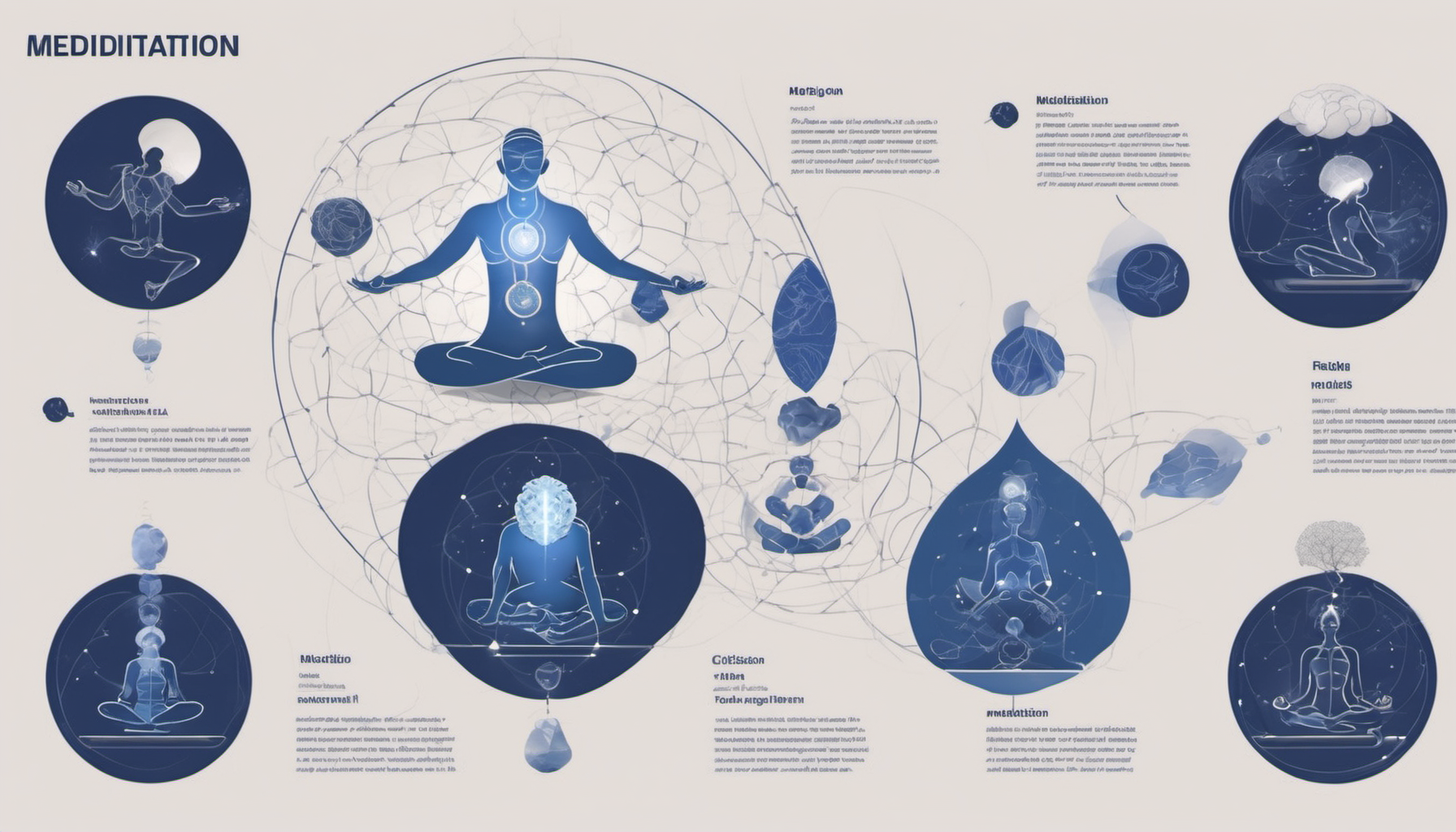
The research team trained participants in the Focused Attention meditation technique. This is the most basic form of meditation, where you focus on your breath and gently return your attention to it whenever your mind wanders.
Participant Demographics
- 103 healthy adults (average age 28.5 years)
- Ranging from meditation beginners to experienced practitioners
- Over 70 meditation sessions conducted over three months
Measurement Method
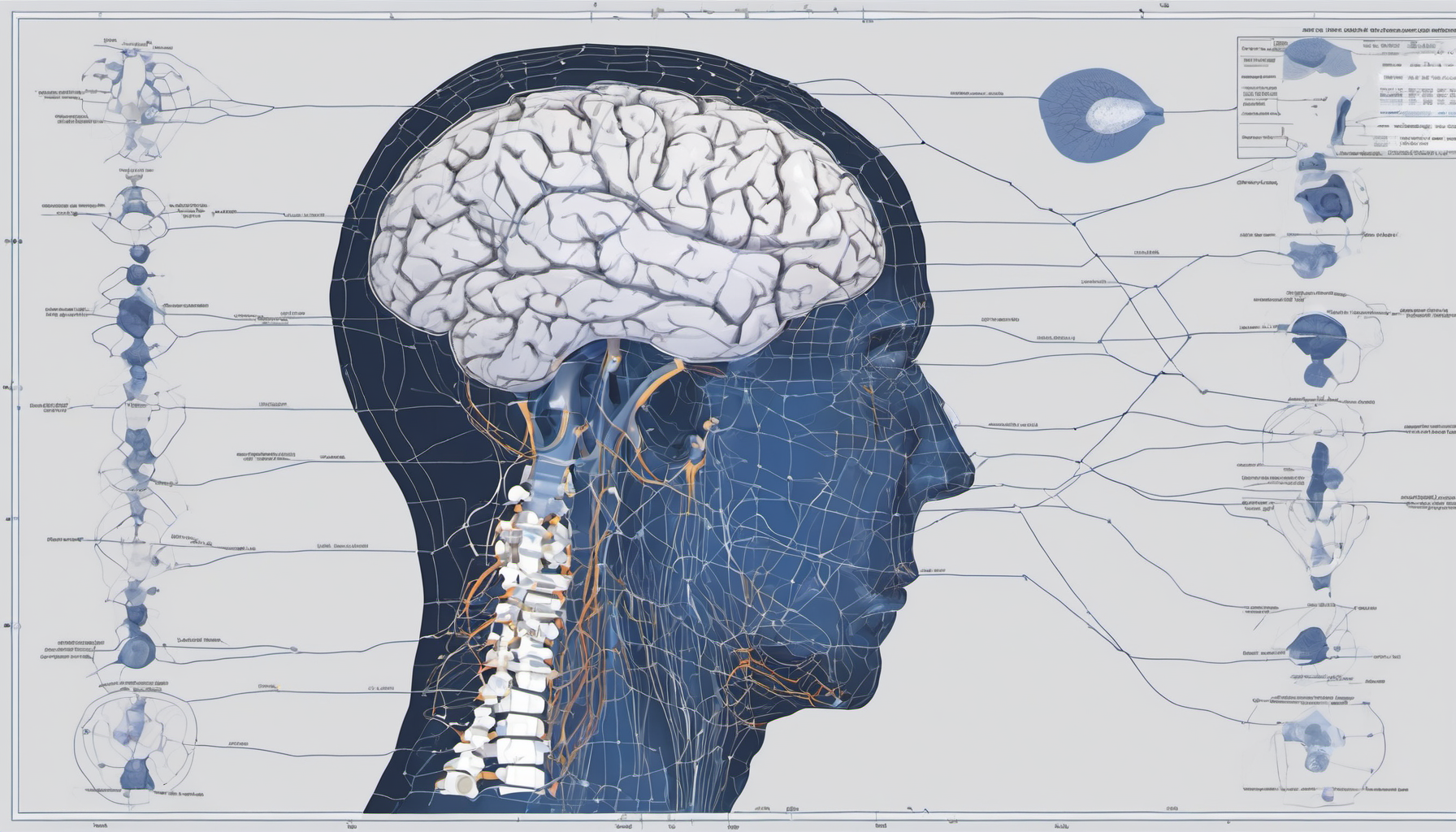
- High-resolution measurement of brainwaves across the entire scalp using 32-channel EEG
- Brainwaves recorded separately before meditation (resting state), during meditation, and after meditation
- Tracking the flow of brainwave changes through time-series analysis, rather than simple average comparisons
Analysis Technique
The research team employed an advanced technique called EEG microstate analysis. This involved breaking down brainwaves into stable patterns lasting milliseconds, allowing for precise tracking of which brain networks are activated during meditation.
Key Discoveries: How Meditation Changes the Brain
The core findings of the study can be summarized as follows:
1. A Distinct Increase in Alpha Waves (8-12Hz)
During meditation, alpha waves significantly increased, particularly in the occipital lobe (back of the head). Alpha waves are an indicator of a 'relaxed yet alert' state. It's neither completely relaxed nor fully aroused – it signifies a state of comfortable wakefulness.
2. Frontal Lobe Increase in Theta Waves (4-7Hz)
In the frontal lobe (forehead area), theta waves increased. Theta waves are strongly associated with deep meditation and inward immersion.
3. Changes in Brainwave Microstate Patterns
The most intriguing discovery was that the duration and transition patterns of brainwave microstates changed during meditation. Specific brain networks were sustained for longer periods, and transitions between networks became smoother. This is evidence that the brain began to operate more efficiently.
4. Long-Term Training Effects
Over the 70 sessions, the magnitude of brainwave changes increased from the early to the later stages of meditation. This demonstrates that consistent meditation training genuinely alters the brain's responsiveness.
What Does This Mean for My Life?
The message this study sends to our daily lives is clear:
"Meditation is a measurable and trainable skill."
Just as you monitor your heart rate to adjust exercise intensity, we are entering an era where you can objectively check your state of concentration during meditation by observing your brainwaves.
What's even more important is that this dataset has been made public. Going forward, researchers worldwide can use this data to develop:
- Personalized meditation guides
- Real-time feedback systems for meditation effects
- Optimal training protocols for meditation beginners
Exploring with LINK BAND
LINK BAND aligns perfectly with this research trend.
The four gold metallic EEG electrodes located on the forehead and temporal lobes cover the fronto-temporal region of the 32-channel system used in the L-FAME study. The areas showing the most prominent changes in the research are precisely those measured by LINK BAND.
Furthermore, LINK BAND measures not only EEG but also PPG (heart rate) and accelerometer data. This allows for the analysis of autonomic nervous system responses (heart rate variability, stress index) that were not covered in this study, providing a more comprehensive understanding of the holistic effects of meditation.
A Small Experiment You Can Try Starting Today
The Focused Attention meditation technique used in this study is very simple:
1. Set a 3-minute timer and sit comfortably.
2. Focus on your breath. Pay attention to the sensation of your inhales and exhales.
3. If thoughts arise, don't judge them; simply return your attention to your breath.
4. Start with 3 minutes once a day, and increase by 1 minute each week.
After three months, your brainwaves will likely have changed, just like those of the study participants.
And with LINK BAND, you can even see those changes for yourself.
- The Science of Brainwave Meditation: What Your Brain Does During Meditation
- What is EEG Neurofeedback? A Complete Guide for Beginners
- What Happens in Your Brain When You're Stressed?
A Question This Study Poses to You
What state is your brain in today? As you're reading this, have you perhaps thought about when you last gave your brain a 'rest'?
LINK BAND Insight
Meditation is no longer merely a subjective experience. As evidenced by the brainwave data from 103 individuals, meditation is an objective, measurable, and trainable skill. Increased alpha waves, activated theta waves, and changes in microstate patterns — your brain is subtly transforming to become more efficient with each meditation session.
Related Articles
Train Your Brain Like a Muscle: What a 534-Citation Neuroscience Review Reveals About EEG Neurofeedback
The moment you open your eyes in the morning, smartphone notifications pour in. Work emails, KakaoTalk, Instagram alerts, news headlines… Your brain is bombarded with information as soon as you wake up. You sip your coffee and get ready for work, but your mind is already full of tangled thoughts. “I need to nail that presentation at today’s meeting…,” “I can’t focus—probably because I worked late last night.” Have you ever had this experience? Every day, we make countless decisions, process information, and regulate emotions. But how often do we actually check whether our brain is in optimal condition? What if we could train our brain, just as athletes train their muscles? To find answers to this question, neuroscientists around the world have been researching for decades. And one powerful tool that has emerged is EEG neurofeedback. Today, I want to introduce you to an influential review paper published in *Neuroscience and Biobehavioral Reviews*, cited 534 times. This paper goes beyond simply explaining brainwaves—it uses meta-analysis to examine specific protocols that can actually improve cognitive abilities and emotional states in healthy individuals. Let’s explore the scientific method that can upgrade your daily performance.
Symbol Emergence in Cognitive Developmental Systems: a Survey
In the face of a daily deluge of information, how do we efficiently comprehend and learn about the world? This article introduces a cutting-edge study that explores how our brains and advanced AI systems construct 'meaningful symbols' from complex sensory data, mirroring a child's journey of discovery. Delve into the astonishing mechanisms your brain employs to process information and discover how LINK BAND can contribute to understanding and optimizing your cognitive capabilities.
FADL:Federated-Autonomous Deep Learning for Distributed Electronic Health Record
How secure is your health data? Imagine sensitive information like sleep patterns, heart rate, and brainwaves being collected on a central server for AI analysis. The research we're highlighting today introduces an innovative technology called 'Federated Autonomous Deep Learning (FADL).' This approach allows AI to be trained directly on your own device, sharing only the learned knowledge, thus eliminating concerns about personal data breaches. FADL paves the way for future wearable devices to offer highly personalized health management while rigorously protecting individual privacy.
Experience LINK BAND 2.0
Measure your brainwaves in real-time with integrated EEG, PPG, and ACC sensors. See for yourself what you read about today.
View Product→