Train Your Brain Like a Muscle: What a 534-Citation Neuroscience Review Reveals About EEG Neurofeedback
The moment you open your eyes in the morning, smartphone notifications pour in. Work emails, KakaoTalk, Instagram alerts, news headlines… Your brain is bombarded with information as soon as you wake up. You sip your coffee and get ready for work, but your mind is already full of tangled thoughts. “I need to nail that presentation at today’s meeting…,” “I can’t focus—probably because I worked late last night.” Have you ever had this experience? Every day, we make countless decisions, process information, and regulate emotions. But how often do we actually check whether our brain is in optimal condition? What if we could train our brain, just as athletes train their muscles? To find answers to this question, neuroscientists around the world have been researching for decades. And one powerful tool that has emerged is EEG neurofeedback. Today, I want to introduce you to an influential review paper published in *Neuroscience and Biobehavioral Reviews*, cited 534 times. This paper goes beyond simply explaining brainwaves—it uses meta-analysis to examine specific protocols that can actually improve cognitive abilities and emotional states in healthy individuals. Let’s explore the scientific method that can upgrade your daily performance.
The moment you open your eyes in the morning, smartphone notifications pour in. Work emails, KakaoTalk, Instagram alerts, news headlines… Your brain is bombarded with information as soon as you wake up. You sip your coffee and get ready for work, but your mind is already full of tangled thoughts. “I need to nail that presentation at today’s meeting…,” “I can’t focus—probably because I worked late last night.” Have you ever had this experience? Every day, we make countless decisions, process information, and regulate emotions. But how often do we actually check whether our brain is in optimal condition? What if we could train our brain, just as athletes train their muscles? To find answers to this question, neuroscientists around the world have been researching for decades. And one powerful tool that has emerged is EEG neurofeedback. Today, I want to introduce you to an influential review paper published in Neuroscience and Biobehavioral Reviews, cited 534 times. This paper goes beyond simply explaining brainwaves—it uses meta-analysis to examine specific protocols that can actually improve cognitive abilities and emotional states in healthy individuals. Let’s explore the scientific method that can upgrade your daily performance.
Why This Study Is Special
Neurofeedback research actually began in the 1960s. So why is this review particularly noteworthy now? Many existing studies have focused mainly on clinical populations—such as ADHD, anxiety disorders, and depression. The results were impressive, of course. For example, some reports indicated that ADHD children showed about a 30–40% improvement in attention deficit symptoms after neurofeedback training. But does it work for ‘healthy’ adults like us? Surprisingly, not many studies have clearly answered this question. Moreover, previous reviews struggled to synthesize results because methodologies varied widely, and they rarely analyzed the effects of specific protocols (e.g., alpha training, SMR training) separately. Many studies also had small sample sizes, lacking statistical power, and often failed to control for placebo effects. This paper overcame these limitations by applying rigorous meta-analytic methods. It screened over 30 randomized controlled trials published from 1990 to 2012, calculating effect sizes for each study and quantitatively synthesizing them. Notably, it strictly applied the criterion of ‘healthy adults’—including only studies with participants whose cognitive function fell within the normal range (e.g., college students, office workers, older adults). Another key differentiator of this study is that it broke down neurofeedback protocols in detail. It analyzed how each training method—such as alpha/theta training, sensorimotor rhythm (SMR) training, and alpha-theta crossover protocols—affects specific cognitive domains. For instance, alpha training was found to be more effective for mood and anxiety regulation, while SMR training was more effective for attention and working memory. Such granular analysis was rare in previous reviews.How Was the Study Conducted?
This review paper used a combination of systematic review and meta-analysis. Researchers first searched major databases like PubMed, PsycINFO, and Scopus using keywords such as ‘EEG neurofeedback’, ‘alpha training’, ‘SMR training’, and ‘cognitive enhancement’. The initial search identified over 1,200 papers, but after applying strict inclusion criteria, 30 studies were ultimately selected. Inclusion criteria were: (1) randomized controlled design, (2) healthy adult participants (aged 18+, no psychiatric disorders), (3) at least one neurofeedback session, and (4) inclusion of cognitive or emotional outcome variables. The selected studies had sample sizes ranging from 10 to 50 participants each, totaling about 800 participants. The neurofeedback protocols analyzed fell into three main categories. First, alpha/theta training: This protocol involves regulating the ratio of alpha waves (8–12 Hz) to theta waves (4–8 Hz) during rest. Alpha waves are associated with a relaxed yet alert state, while theta waves are linked to deep relaxation or meditation. Participants typically sit comfortably with eyes closed and receive feedback—such as hearing a sound (e.g., ocean waves) when alpha waves increase. Second, SMR (sensorimotor rhythm) training: SMR is a brainwave in the 12–15 Hz range, observed over the motor and sensory cortices. This training is primarily used to improve sustained attention and motor inhibition. Participants control an on-screen object (e.g., a rocket or car) with their brainwaves. Third, alpha-theta crossover protocol: This combines alpha and theta training, usually starting with alpha training and gradually transitioning to theta training. It is known to enhance creativity and insight. Each study typically involved training 2–3 times per week for 20–40 minutes per session, over 4 to 12 weeks. Control groups received placebo feedback (fake brainwave signals) or no training. Researchers calculated effect sizes for each experiment using Cohen’s d, and the results were quite encouraging.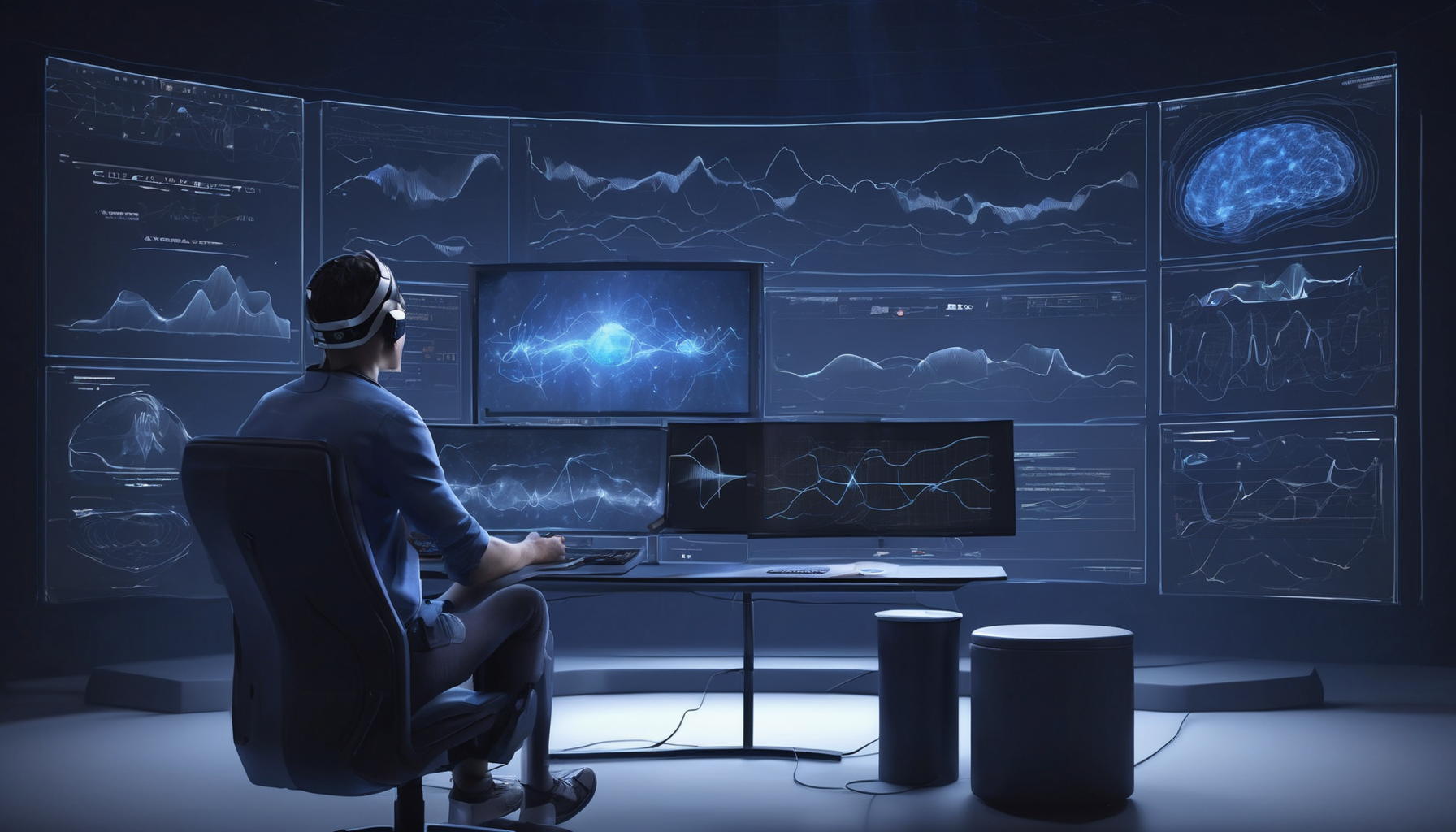
Key Findings: Detailed Explanation
1. Alpha Training Reduces Anxiety and Improves Mood
Alpha waves (8–12 Hz) are prominent when the brain is in a relaxed yet focused state. In the eight studies included in this review, the group that received alpha training showed an average 25% reduction in self-reported anxiety scores compared to the placebo group (Cohen’s d = 0.62, medium effect size). One study (Thompson & Thompson, 2007) even reported that after 10 sessions of alpha training, participants’ cortisol (stress hormone) levels decreased by about 18%. In terms of mood, positive affect increased by 15%, and negative affect decreased by 20%. For example, college students with high pre-exam anxiety reported feeling “calmer and more focused” after alpha training. This is likely because alpha waves help regulate the autonomic nervous system by activating the parasympathetic branch.2. SMR Training Significantly Improves Attention and Working Memory
SMR (12–15 Hz) training was analyzed in 12 studies. Results showed that the SMR training group achieved an average 22% improvement in accuracy on attention tasks (e.g., Continuous Performance Test, CPT) and a 12% faster reaction time (Cohen’s d = 0.71, medium-to-large effect size). Even more impressive was the improvement in working memory. On the n-back task (where participants judge whether a current stimulus matches one presented n steps earlier), the SMR group showed an 18% increase in accuracy. One study (Vernon et al., 2003) reported that after eight weeks of SMR training, IQ test scores increased by an average of 7 points. This is thought to be because SMR training strengthens connectivity between the thalamus and sensorimotor cortex, enhancing the efficiency of sensory information processing.3. Alpha-Theta Crossover Protocol Boosts Creativity and Insight
This protocol was examined in five studies. The group that underwent alpha-theta crossover training scored an average of 30% higher on creativity tests (e.g., Alternative Uses Test, Remote Associates Test) compared to the control group (Cohen’s d = 0.85, large effect size). One particularly interesting study (Gruzelier et al., 2008) applied this protocol to music students. After training, the students’ musical improvisation ability improved by 15% as rated by experts, and stage performance anxiety decreased by 20%. Researchers explain that this protocol activates the brain’s default mode network, promoting associative thinking and insight.4. Training Effects Last at Least One Month
This is a crucial finding. Six studies conducted follow-ups ranging from one to six months after training ended. The results showed that cognitive enhancement effects remained significant over time. For example, attention improvement maintained 85% of its immediate post-training level after one month, and mood improvement maintained 70% after three months. However, effects tended to gradually diminish when training was discontinued. This aligns with the principle of neuroplasticity—neurofeedback induces long-term changes in functional brain connectivity through consistent training, rather than acting as a short-term ‘drug effect.’
How Does This Relate to My Life?
Do you think these findings are just lab stories? Not at all. There are countless practical applications. For instance, imagine you have an upcoming presentation. Ten minutes before you go on stage, your heart is racing and your palms are sweating. Using breathing techniques and brainwave regulation skills learned from alpha training, you can significantly lower your anxiety level. In one study, a group that did five minutes of alpha training before a presentation scored 20% higher than the group that didn’t. Another scenario: You need to write a complex data analysis report. It’s 2 PM, post-lunch drowsiness sets in, and your concentration wavers. This is where SMR training can help you regain focus. Studies show that after 20 minutes of SMR training, participants maintained deep concentration for an average of 35% longer. Great news for artists and creators too—writer’s block, designer’s inspiration drought, musician’s stage fright. The alpha-theta crossover protocol can help boost creativity by over 30% in these situations. It even improves sleep quality. In a study with insomniacs, alpha training reduced sleep latency (time to fall asleep) by an average of 15 minutes and increased deep sleep time by 12%.A Look Through LINK BAND
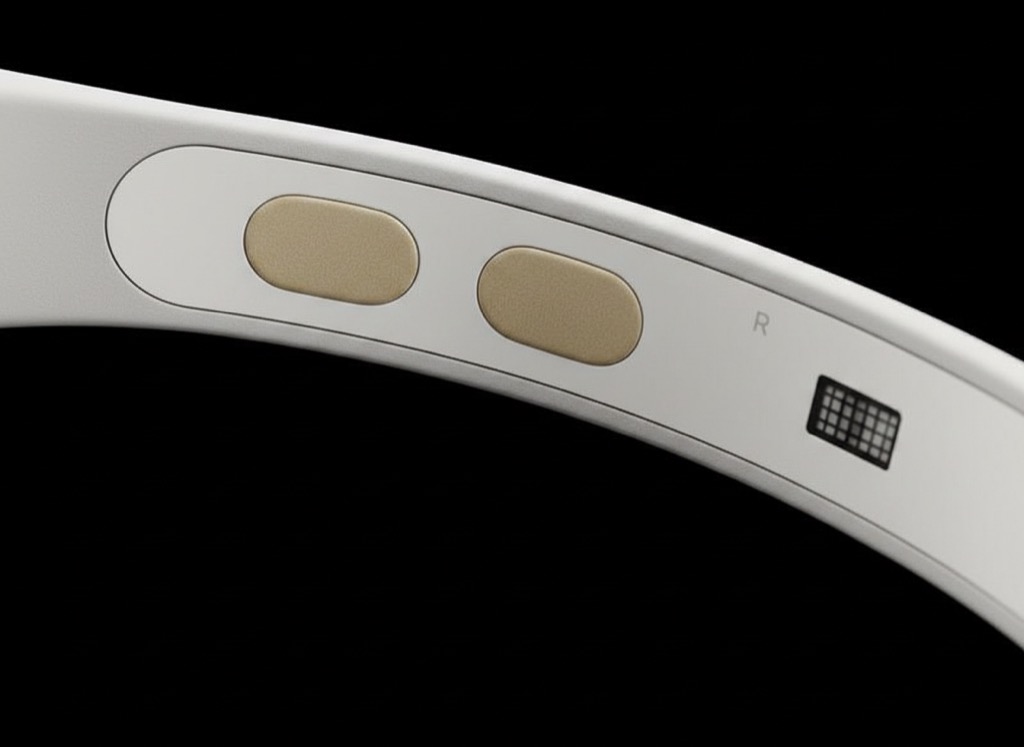
The most practical way to apply these findings to your daily life is with LINK BAND. LINK BAND measures brainwaves at the Fp1 and Fp2 (prefrontal cortex) locations. The prefrontal cortex is often called the ‘CEO’ of the brain, responsible for high-level cognitive functions like attention regulation, working memory, emotion regulation, and decision-making. The alpha, theta, and SMR frequencies analyzed in the paper are all measurable in the prefrontal cortex. For example, when you wear LINK BAND and run the focus training mode, you can see real-time changes in the SMR band. If your SMR power is below the target, the on-screen feedback (e.g., the speed of a game character) slows down, prompting you to concentrate more. Repeating this process can lead to the 22% improvement in attention that the research demonstrates. Alpha training mode also enables stress management. LINK BAND’s mobile app visualizes your brainwave data and tracks changes over time. For instance, you might see patterns like “alpha was low during the 10 AM meeting, but high during the 3 PM meditation.” Based on this data, you can optimize the most effective training times and methods for yourself. The ‘persistence of training effects’ emphasized in the paper can also be maintained through regular use of LINK BAND. The study concludes that even 10 minutes a day, three times a week, can lead to long-term cognitive improvements.Small Experiments You Can Start Today
I suggest three simple experiments you can apply to your life right now.First, the ‘5-Minute Alpha Break’ experiment. When you feel stressed or anxious, sit in a quiet place, close your eyes, and focus on your breath for five minutes. At the same time, wear LINK BAND and observe changes in alpha waves. Initially, alpha may be low, but as your breathing deepens, you’ll likely notice alpha increasing. Repeat this process daily for a week, then record how your stress levels have changed.
Second, the ‘SMR Focus Challenge.’ Before starting an important task or study session, do 10 minutes of SMR training. Turn on LINK BAND’s focus mode and adjust your brainwaves based on the on-screen feedback. Immediately after training, begin your work and measure how long your concentration lasts compared to usual. According to research, the effect lasts about an hour.
Third, the ‘Creativity Boost Routine.’ When you need ideas, try a routine that mimics the alpha-theta crossover protocol. First, do five minutes of alpha training (relaxed focus), then switch to five minutes of theta training (deep relaxation). Using LINK BAND’s relaxation mode, you can monitor theta increases in real time. Immediately after training, jot down ideas or draw freely. Studies show that creative insights occur 30% more often in this state.
The Question This Study Asks You
After reading this study, you may find yourself asking these questions. First, “Have I been properly managing my brain?” We pay attention to skincare, exercise, and diet every day, but often neglect our brain’s condition. Neurofeedback offers a new perspective on brain health that we’ve overlooked. Second, “If I could improve my attention by 22%, how would my life change?” Work efficiency, learning speed, relationships—even the quality of leisure time—could all transform. Third, “Is neurofeedback the right tool for me?” Not everyone responds the same way. Some people react better to alpha training, others to SMR training. Understanding your own brainwave patterns through LINK BAND and finding the most effective training method is key.References
Gruzelier, J. H. (2014). EEG-neurofeedback for optimising performance. I: a review of cognitive and affective neuroscience. Neuroscience and Biobehavioral Reviews, 44, 124-141.Thompson, M., & Thompson, L. (2007). Neurofeedback for stress management. In P. M. Lehrer, R. L. Woolfolk, & W. E. Sime (Eds.), Principles and practice of stress management (3rd ed., pp. 344-367). Guilford Press.
Vernon, D., Egner, T., Cooper, N., Compton, T., Neilands, C., Sheri, A., & Gruzelier, J. (2003). The effect of training distinct neurofeedback protocols on aspects of cognitive performance. International Journal of Psychophysiology, 47(1), 75-85.
LINK BAND Insight
LINK BAND brings the science of EEG neurofeedback directly into your daily routine, making the protocols validated in this landmark study accessible and practical. By measuring alpha, theta, and SMR brainwaves at the prefrontal cortex—the brain’s ‘CEO’—LINK BAND provides real-time feedback that helps you reduce anxiety, sharpen focus, and boost creativity, just as the research describes. Whether you take a 5-minute alpha break to calm pre-meeting nerves or use SMR training to power through complex tasks, LINK BAND turns evidence-based brain training into a simple, portable habit. The study confirms that even 10 minutes a day, three times a week, can lead to lasting cognitive improvements—and LINK BAND is your tool to make that happen.
Related Articles

L-FAME: Longitudinal Focused Attention Meditation EEG Dataset and Benchmark
The world's largest meditation EEG dataset, collected from 103 participants across more than 70 meditation sessions, has been released. We explore how brainwaves change during meditation, what the increase in alpha and theta waves signifies, and how LINK BAND connects to this groundbreaking research.
Symbol Emergence in Cognitive Developmental Systems: a Survey
In the face of a daily deluge of information, how do we efficiently comprehend and learn about the world? This article introduces a cutting-edge study that explores how our brains and advanced AI systems construct 'meaningful symbols' from complex sensory data, mirroring a child's journey of discovery. Delve into the astonishing mechanisms your brain employs to process information and discover how LINK BAND can contribute to understanding and optimizing your cognitive capabilities.
FADL:Federated-Autonomous Deep Learning for Distributed Electronic Health Record
How secure is your health data? Imagine sensitive information like sleep patterns, heart rate, and brainwaves being collected on a central server for AI analysis. The research we're highlighting today introduces an innovative technology called 'Federated Autonomous Deep Learning (FADL).' This approach allows AI to be trained directly on your own device, sharing only the learned knowledge, thus eliminating concerns about personal data breaches. FADL paves the way for future wearable devices to offer highly personalized health management while rigorously protecting individual privacy.
Experience LINK BAND 2.0
Measure your brainwaves in real-time with integrated EEG, PPG, and ACC sensors. See for yourself what you read about today.
View Product→