EEG-FM-Audit: A Systematic Evaluation and Analysis Pipeline for EEG Foundation Models
Xianheng Wang, Yige Yang, Damien Coyle. “EEG-FM-Audit: A Systematic Evaluation and Analysis Pipeline for EEG Foundation Models.” arXiv:2605.26910. View Paper ↗
The innovative evaluation system, EEG-FM-Audit, enables fair assessment of EEG models. This paper presents methods to transparently optimize EEG model performance and analyze learning paradigms for effective utilization of EEG data. The study demonstrates that appropriately tuned foundation models can outperform state-of-the-art models.
Electroencephalography (EEG) technology is no longer a mysterious piece of equipment confined to research labs. From meditation apps and sleep trackers to concentration-enhancing devices, it has become a significant part of our daily lives. But how reliable are the AI models that effortlessly interpret this vast amount of brainwave data? Is there an objective standard to truly compare which model is superior? The paper we're introducing today, 'EEG-FM-Audit,' provides precisely that answer. It's a system designed to fairly evaluate various EEG AI models, much like an Olympic judge.
How to Evaluate EEG AI
EEG data, being measured from the scalp surface, is inherently noisy, and signals vary greatly due to individual differences in head shape and thickness. Furthermore, because each study uses different datasets, preprocessing methods, and evaluation metrics, papers claiming "our model is number one!" have essentially been competing under different rules. This made genuine performance comparison difficult. This is where EEG-FM-Audit comes in: a standardized pipeline that systematically evaluates the performance of AI models using large-scale EEG datasets. It particularly targets 'EEG Foundation Models,' which have recently garnered significant attention. Like GPT in natural language processing, an EEG foundation model refers to a sophisticated basic framework that is pre-trained on an enormous amount of brainwave data and can then be easily fine-tuned for various tasks such as emotion classification, sleep stage detection, or motor imagery. EEG-FM-Audit serves as a testing ground to determine whether these models are truly versatile or only strong in specific tasks.Components of the Evaluation Framework
EEG-FM-Audit consists of three core pillars. First, diverse real-world clinical and everyday life datasets. This broadly includes, for example, seizure EEGs collected in hospitals, sleep EEGs, and EEGs recorded while watching emotion-inducing videos. Second, it encompasses multiple EEG tasks. By simultaneously evaluating a variety of tasks such as Motor Imagery, emotion recognition, sleep stage classification, and pathology detection, it can identify true 'all-rounders' rather than models that are only proficient in a single area. Third, it applies identical preprocessing and strict experimental conditions to all models. Signal filtering, channel selection, and cross-validation are completely unified, enabling fair comparisons without variable manipulation.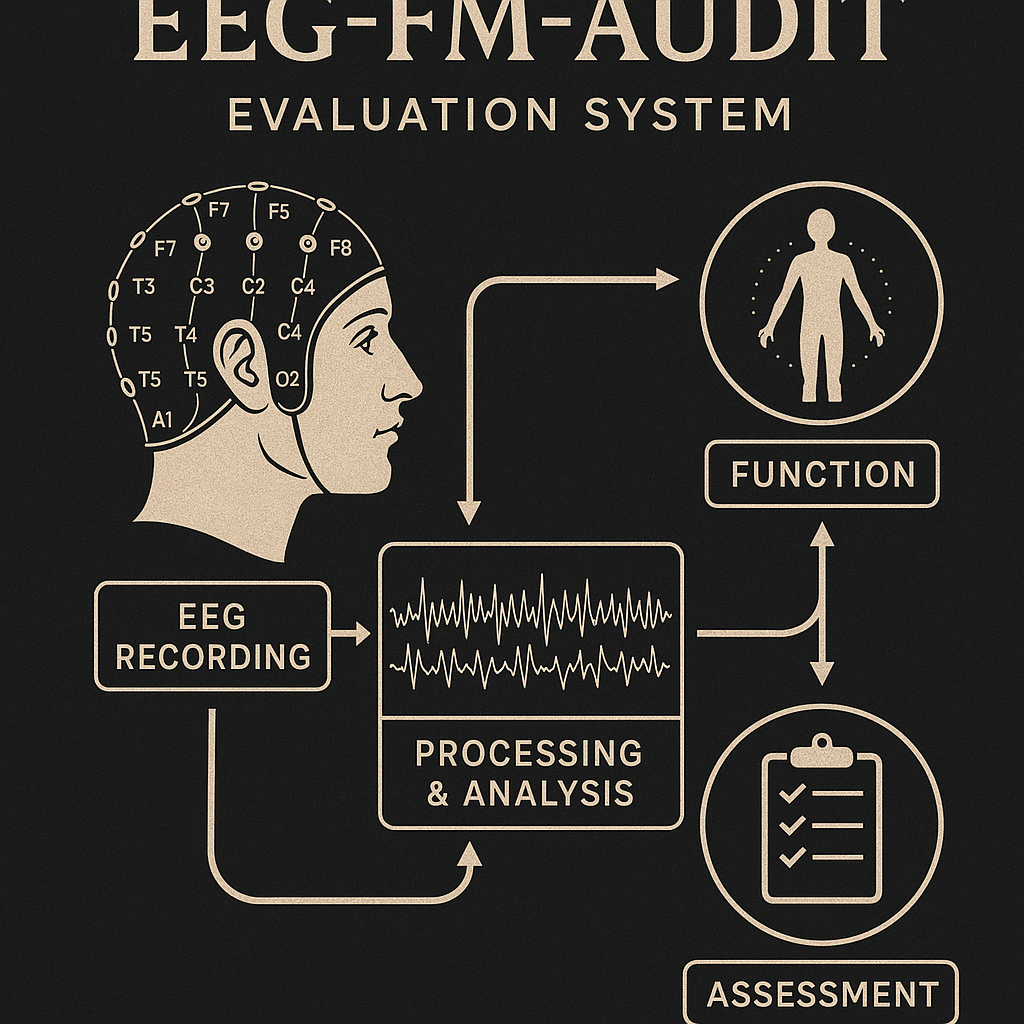
What makes this framework particularly noteworthy is that it is open-source, allowing anyone to directly test their developed models. If you're curious "whether the EEG AI I created is truly superior," you can challenge the EEG-FM-Audit leaderboard. I believe that by sharing a common evaluation standard across the entire research community, the EEG AI ecosystem can mature to the next level.
Importance of Data Quality
An interesting fact also emerged during the evaluation process. While it might seem obvious, the decisive impact of dataset size and diversity on model performance was numerically reconfirmed. Just as a chef needs fresh and abundant ingredients to truly showcase their skills, AI also requires vast amounts of EEG data collected from diverse age groups, health conditions, and measurement environments to perform at its best. Models trained only on small datasets, in particular, frequently overfit to specific hospitals or equipment, leading to a significant drop in performance in new situations.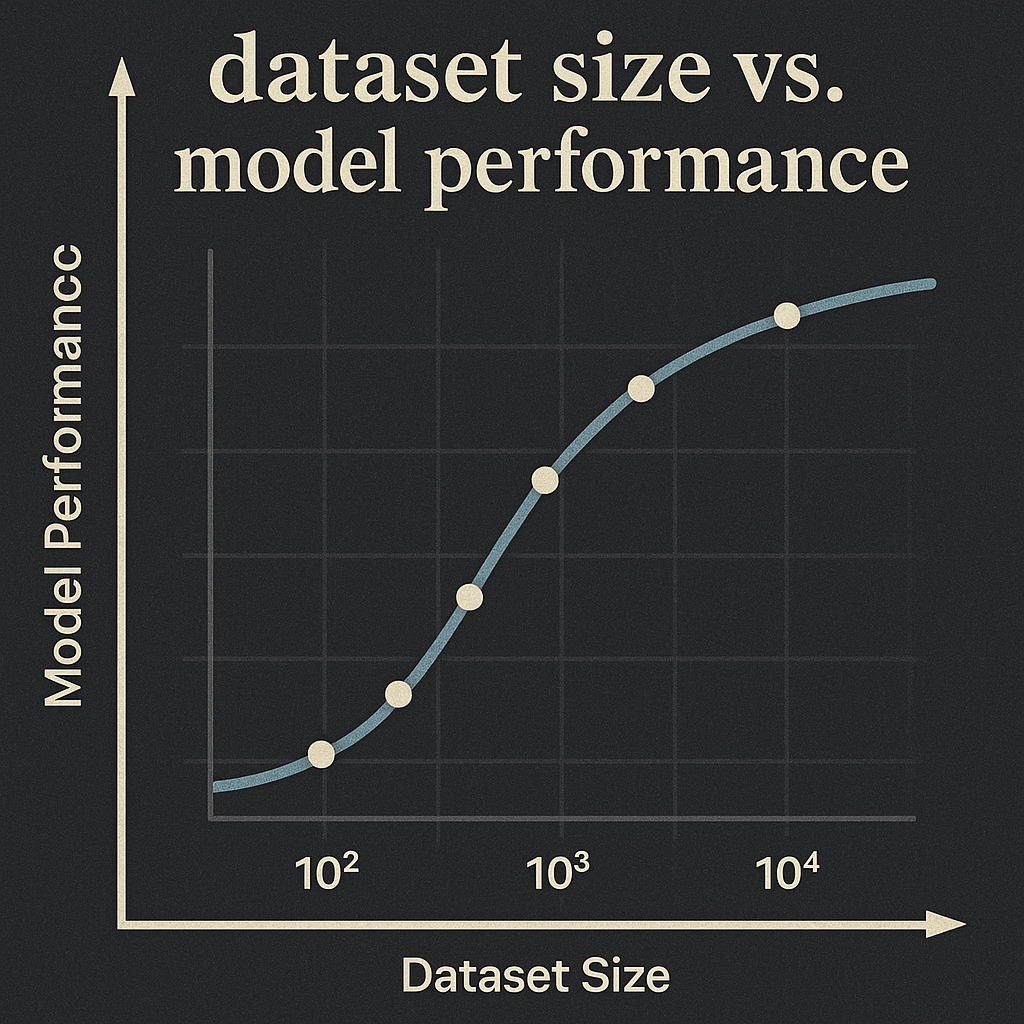
Conversely, foundation models pre-trained on hundreds of thousands of hours of public EEG data demonstrated remarkable adaptability with only a small amount of additional data. For instance, they could analyze EEGs measured with specific hospital equipment quite accurately even after minimal fine-tuning. This provides a crucial lesson: for EEG AI to evolve, the construction of high-quality, large-scale open datasets is paramount. While EEG data collection is challenging due to its nature as personal information, it's a problem that can be effectively addressed with technologies like de-identification and Federated Learning.
Real-world Application Potential
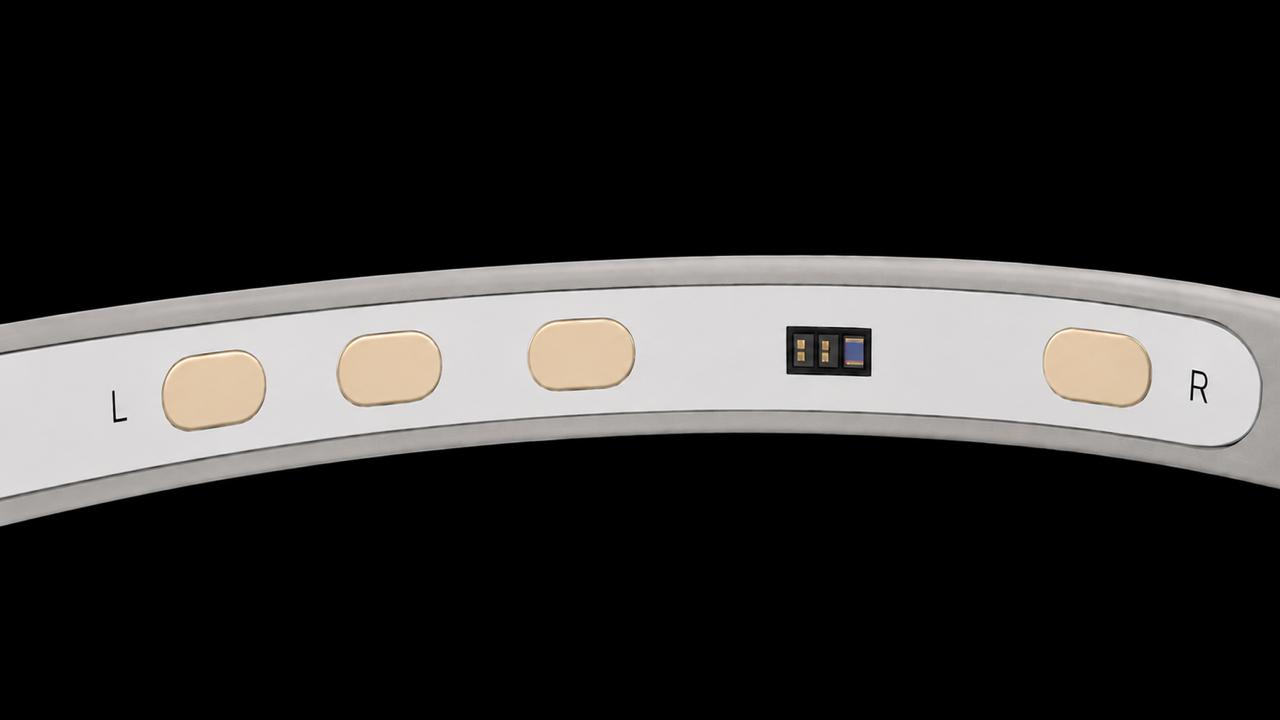
So, how can this systematic evaluation help our daily lives? Let's say we want to create an AI that accurately distinguishes between deep relaxation during meditation and light drowsiness. By selecting a model that scored highly in the 'sleep-wake classification' and 'relaxation state detection' tasks within EEG-FM-Audit, we gain a much more reliable foundation. The era has arrived where model selection is no longer just about a paper's boast, but can be based on standardized benchmark scores. Furthermore, wearable devices enable close-to-life EEG analysis. With band-type devices like LINK BAND, you can easily measure brainwaves at home and scientifically track your own stress patterns, sleep quality, and changes in concentration using AI models validated by EEG-FM-Audit. It's quite fascinating to confirm questions like "How stable were my brainwaves after meditation this morning?" or "Was my sleep truly deep last night?" with data. This new standard for EEG AI evaluation is transforming our lives in smarter, more understandable ways. Unravel the mysterious language within your mind with EEG-FM-Audit.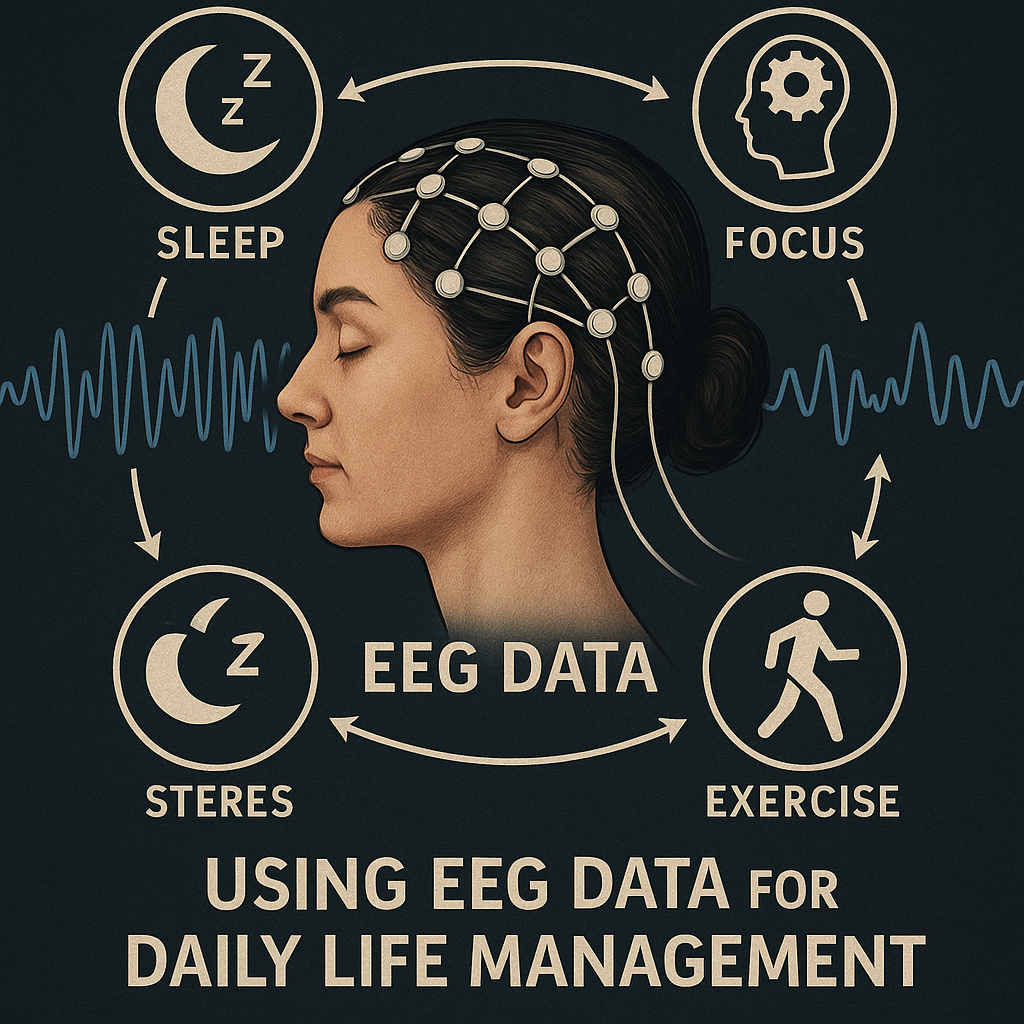
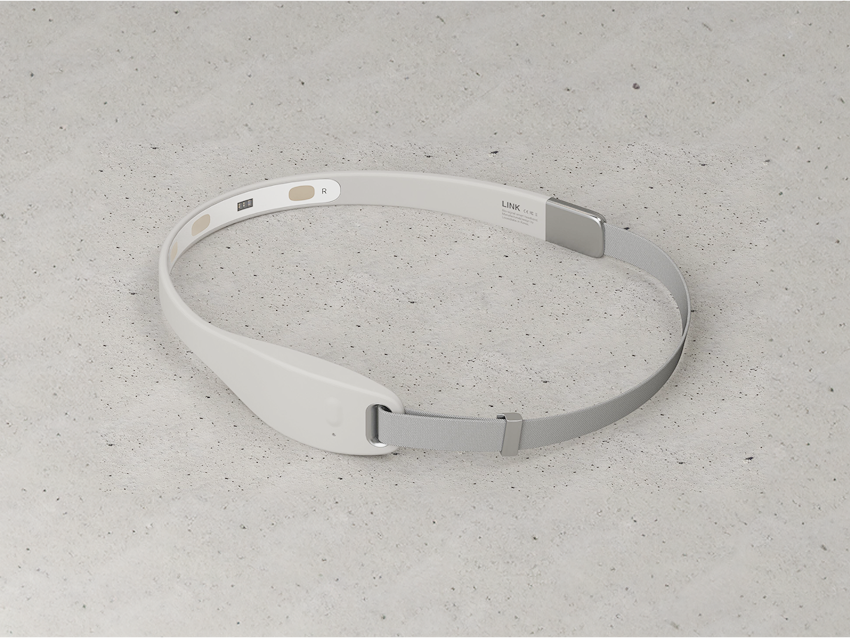
LINK BAND Insight
The EEG-FM-Audit research presents a method to evaluate EEG models more fairly and effectively. The finding that appropriately tuned foundation models can outperform state-of-the-art models demonstrates that complex technology is not always the best solution. This opens up new possibilities for leveraging EEG data.
Related Articles
Train Your Brain Like a Muscle: What a 534-Citation Neuroscience Review Reveals About EEG Neurofeedback
The moment you open your eyes in the morning, smartphone notifications pour in. Work emails, KakaoTalk, Instagram alerts, news headlines… Your brain is bombarded with information as soon as you wake up. You sip your coffee and get ready for work, but your mind is already full of tangled thoughts. “I need to nail that presentation at today’s meeting…,” “I can’t focus—probably because I worked late last night.” Have you ever had this experience? Every day, we make countless decisions, process information, and regulate emotions. But how often do we actually check whether our brain is in optimal condition? What if we could train our brain, just as athletes train their muscles? To find answers to this question, neuroscientists around the world have been researching for decades. And one powerful tool that has emerged is EEG neurofeedback. Today, I want to introduce you to an influential review paper published in *Neuroscience and Biobehavioral Reviews*, cited 534 times. This paper goes beyond simply explaining brainwaves—it uses meta-analysis to examine specific protocols that can actually improve cognitive abilities and emotional states in healthy individuals. Let’s explore the scientific method that can upgrade your daily performance.
L-FAME: Longitudinal Focused Attention Meditation EEG Dataset and Benchmark
The world's largest meditation EEG dataset, collected from 103 participants across more than 70 meditation sessions, has been released. We explore how brainwaves change during meditation, what the increase in alpha and theta waves signifies, and how LINK BAND connects to this groundbreaking research.
Symbol Emergence in Cognitive Developmental Systems: a Survey
In the face of a daily deluge of information, how do we efficiently comprehend and learn about the world? This article introduces a cutting-edge study that explores how our brains and advanced AI systems construct 'meaningful symbols' from complex sensory data, mirroring a child's journey of discovery. Delve into the astonishing mechanisms your brain employs to process information and discover how LINK BAND can contribute to understanding and optimizing your cognitive capabilities.
Experience LINK BAND 2.0
Measure your brainwaves in real-time with integrated EEG, PPG, and ACC sensors. See for yourself what you read about today.
View Product→